



The Truth About Zillow Estimates: 5 Essential Do's and Don'ts
In 2016, Zillow CEO Spencer Rascoff sold his home for 40% less than the Zillow estimate (Zestimate) of $1.75 million, which begged the question: "Can Zillow estimates be trusted?"
Before you toast in celebration at rising values or panic as the numbers fall, here are five do's and don'ts to keep in mind on the real estate marketplace of Zillow.
1. Do: Use Zillow as a starting point.
Zillow itself says they're a starting point in determining a home's value and should not be used in place of an official appraisal.
Zestimates are an automated home valuation tool that uses data points from user-submitted data, as well as location (zip code), marketing conditions, comparable sales, and public data.
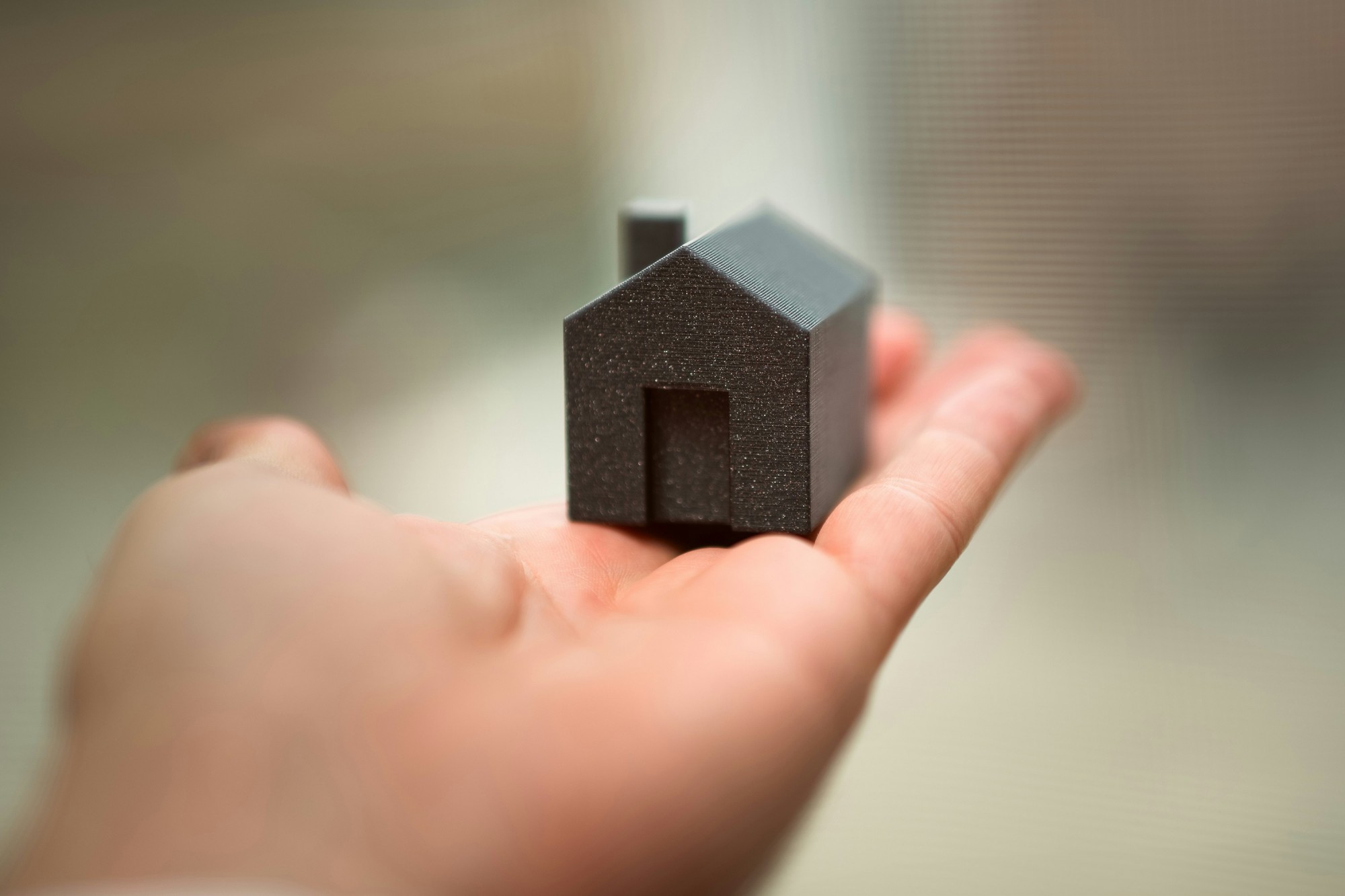
Yes, Zestimates can give you a general idea, but it should be only ONE data point in determining a buying or selling price, not your sole data source. Banks and lenders also recognize that Zestimates are only as good as the data behind them, which is why lending agencies do not use them to estimate a property's value for a mortgage and rely on an official appraisal and a comparative market analysis (CMA).
2. Don't: expect Zestimates to be 100% accurate.
The good news is that Zillow is not trying to hide its margin of error.
According to Zillow's Zestimate page, they answer the question of accuracy: "The Zestimate's accuracy depends on the location and the availability of data in an area. The Zestimate's median error rate for on-market homes nationwide is 1.9%, meaning Zestimates for half of all on-market homes are within 2% of the ultimate sale price, and half are not. For off-market homes, the median error rate is 7.5%."
While 7.5% doesn't seem like that much, as of 2019, Real Estate Decoded estimated that "typical error" to be $18,000.
3. Do: Use Zillow to make a good first impression with potential buyers.
Even though Zestimates can be inaccurate, Zillow is still an excellent way to attract more potential buyers.
In 2021, Zillow averaged 221 million monthly unique users on its site, making it a fantastic opportunity to find serious leads. Today's consumers are geared to shop online first, so making a positive first impression is vital.
Check Zillow before selling to resolve any inaccuracies since it may take time for your changes to be reflected in the Zestimate price.

4. Don't: Forget the importance of human influence over algorithms.
Your Zestimate is based on an algorithm, not on human intelligence.
For example, Zillow will average the value of all the single-family homes in a zip code that are 2,000 square feet, have four bedrooms and three bathrooms, and then use that average as the value they give.
Zillow can't see inside your home to consider any upgrades you've made or know your neighborhood. In the case of Spencer Rascoff (Zillow's CEO), Zillow didn't factor in that the home sat on a triangular lot on the corner of a busy street.
Remember, Zillow is an algorithm, not a human, and certainly not a professional real estate agent who knows the area and community.
5. Do: Use a real estate agent.
A recent survey found that 40% of homebuyers believed that buying a new home is the most stressful event in modern life.
So, why go it alone?
Partner with an experienced agent that will help you avoid the wrong time or location to buy; an agent that will get your home in front of the best potential buyers and get you the best price.
At Christians Home Crew, we go beyond showing you listings. We work with you every step of the way to eliminate stress and make your move in the right direction a peaceful one. Questioning your own online Zestimate? We can help.

Let's connect!
Reach out today by email
or by calling (701) 373-5155.