



Home Inspection Worries: Fargo Moorhead Seller Guide
If you are thinking about selling in Fargo, Moorhead, or West Fargo, there is a good chance the home inspection is the part that makes you most nervous.
You know buyers almost always hire an inspector. You know no house is perfect, especially after a few North Dakota and Minnesota winters. What you don't know is what that report will say, how the buyer will react, or how much it might cost you.
As a local real estate agent and former home inspector, I have written inspection reports and helped sellers respond to them. Here's what you should know.
What A Home Inspection Is (And Is Not)
The basics of a buyer's home inspection
In a typical sale, the buyer hires and pays for the home inspection. It usually happens shortly after you accept an offer, during the inspection or due diligence period in the purchase agreement.
For an average FM-area home, an inspection often takes two to four hours. The inspector will usually look at the roof and exterior, foundation and basement or crawlspace, heating and cooling systems, plumbing and water heater, electrical panel and outlets, attic and insulation, plus windows, doors, and interior rooms.
Inspectors focus on visible and accessible areas. They are not opening walls or guaranteeing how long every component will last. Think of it as a detailed checkup, not a crystal ball. Each inspector and company has its own standards, so details can vary.
Why the report can look scary
Modern inspection reports are long. They come with photos, checklists, and technical language. As a seller, it can feel like someone just wrote a book about everything "wrong" with your home.
When I inspected full-time, my job was to document what I saw so the buyer could make an informed decision. That meant writing up small items, too. A loose handrail, a missing cover plate, a slow bathroom drain. On paper, it adds up fast. In real life, many of those items are minor.
A long report does not automatically mean you have a bad house. It usually means the inspector is being thorough.
The myth of "passing" or "failing"
There is no official pass or fail stamp. What really happens is simple.
- The inspector sends the report to the buyer.
- The buyer and their agent review it.
- The buyer decides whether to move forward, ask for repairs, request a credit or price change, or cancel under the inspection contingency.
The goal of an inspection is clarity and safety within the terms of the contract, not perfection. Knowing that ahead of time takes a lot of pressure off.
What Inspectors Commonly Find In FM-Area Homes
Climate and age realities in the Red River Valley
Our area is tough on houses.
Long winters, snow, ice, and freeze thaw cycles all leave their mark. Roofs age faster, basements show moisture, exterior concrete settles, and older homes sometimes have outdated electrical or plumbing.
That does not mean your home is in trouble. It means inspectors expect to see certain patterns in Fargo-Moorhead homes and usually do.
The usual "frequent flyers"
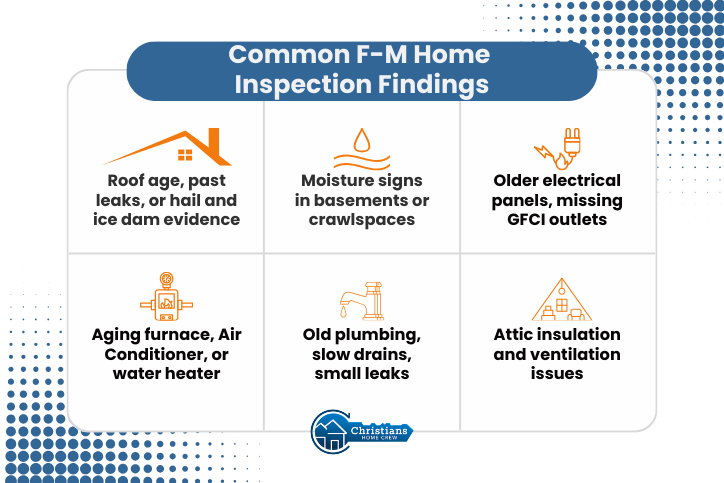
Common items on FM-area reports include:
- Roof age, past leaks, or hail and ice dam evidence
- Moisture signs in basements or crawlspaces, or poor grading
- Older electrical panels, double tapped breakers, missing GFCI outlets
- Aging furnace, AC, or water heater
- Older plumbing materials, slow drains, small leaks
- Attic insulation and ventilation issues
- Drafty windows, minor wood rot, deck and concrete concerns
The key question is how serious any one item is. When something looks major or confusing, a qualified contractor, engineer, or inspector should give you specific guidance.
What really worries buyers
From both sides of the table, buyers tend to worry most about:
- Structural movement or foundation issues
- Active water intrusion
- Safety hazards, especially electrical and stair problems
- Big ticket systems that are very old or not working
Many other notes are maintenance. Part of my role is to help you see which is which so you can focus on what matters and not panic over every line of the report.
Smart Prep Before You List
Walk your home like an inspector
Before you list, take an hour with a notepad and a fresh set of eyes.
Check railings and stairs for safety. Look for missing outlet and switch covers. Run water in kitchens and baths and note any slow drains or drips. In the basement, watch for signs of past water. Outside, look at steps, walkways, and deck areas for obvious issues.
You do not need to fix everything. Tightening up easy safety and maintenance items simply lowers the "noise" in the report. For anything you are unsure about, a licensed contractor or inspector can advise you.
"Bang for your buck" fixes
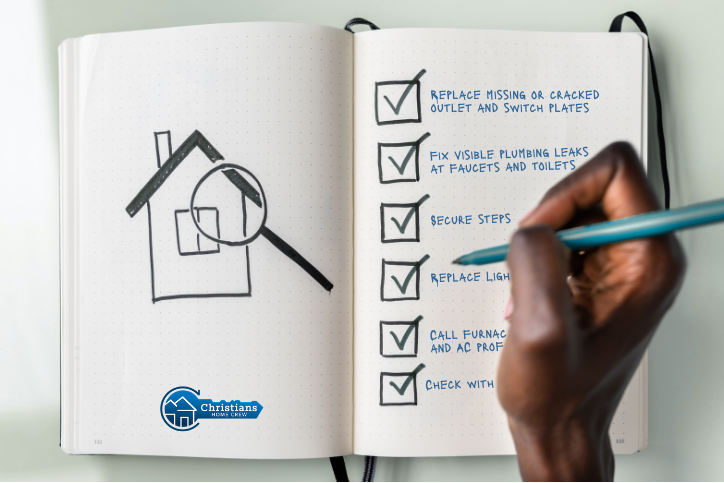
Some small items usually go a long way with both inspectors and buyers:
- Replace missing or cracked outlet and switch plates
- Fix visible plumbing leaks at faucets and toilets
- Secure loose handrails and steps
- Replace burned-out light bulbs
- Have a qualified pro service your furnace or AC if it has been a while. (Pro tip: have them put a service sticker with the date on the outside of the unit to provide extra piece of mind to the buyer.)
If you are not handy, a simple handyman visit can often knock out a punch list. It does not guarantee a certain result, but it helps reduce obvious red flags.
When a pre-listing inspection might make sense
Some sellers order their own inspection before going on the market. That can make sense if you have an older home and want fewer surprises, are handling an estate sale, or just prefer to see the list first.
A pre-listing inspection can help you plan repairs and pricing, but it also creates information you will need to disclose. It is not for everyone and can have legal or contract implications. When we talk, we can look at whether it fits your goals.
Getting Ready For Inspection Day
Make your home easy to inspect
A smooth inspection starts with simple access. Before the appointment:
- Clear a path to the furnace, water heater, and electrical panel
- Make sure attic access is not blocked
- Unlock gates and outbuildings that the buyer may see
- Secure pets or take them with you
- In winter, clear snow from walkways and key exterior areas
- Replace burnt-out bulbs
An easy-to-inspect home feels cared for and reduces "could not access" notes.
Have basic information ready
You do not need a huge binder. A simple folder with these helps:
- A list of major repairs or upgrades and approximate dates
- Receipts from licensed contractors for larger jobs
- Warranty documents that might transfer to the buyer
When buyers see certain items on the report, this context can make a big difference in how they feel about them.
Should you stay during the inspection
Some sellers leave, some stay. Either can work, and your contract may offer guidance.
If you stay, keep it low-key. Give the inspector and buyers space. Answer questions when asked, but resist the urge to follow them room to room and explain everything. A calm, respectful presence sends the message that you are not hiding anything.
When The Report Comes Back: How Not To Panic
Start with the big picture
When the report hits your inbox, do not judge it by the page count alone. Long reports are normal.
When we work together, we start with the summary and the higher priority items, then move into the details. The goal is to turn the report into a tool, not a threat.
Use the three-bucket approach
A simple way to think about the report is to sort items into three buckets:
- Safety or significant issues such as active leaks, major electrical hazards, or non-working systems.
- Reasonable maintenance and age-related items that come with time in our climate.
- Minor or cosmetic items like small cracks and scuffs.

As a former inspector, I can help you see what belongs where.
That makes it easier to decide where to spend money, where to offer a credit, and where to push back, within the options in your contract and advice from your own professionals.
How buyers usually respond
After reviewing the report with their agent, buyers typically either: move forward as is, ask for specific repairs, request a credit or price change, or cancel under the inspection contingency.
Most of the time, buyers focus on safety and larger-ticket systems like the roof, HVAC, and foundation. Your best move is to respond with calm, informed options rather than reacting out of fear. My role is to explain what is typical in our market so you can choose what fits your situation.
When an inspection threatens a deal
Many issues can be handled with a repair or a fair credit.
Deals tend to wobble when there are major structural concerns, active water intrusion or mold, or key systems at the end of their life that buyers did not expect, or when buyers feel something important was hidden.
Sometimes repairing is best. Sometimes a credit makes more sense. Sometimes it is reasonable to let a buyer walk and wait for the next one. There is no one-size-fits-all answer. For complex issues, we bring in the right specialists.
Honest Disclosure Without Oversharing
What you are responsible to disclose
Every state has its own rules and forms for seller disclosure.
In both North Dakota and Minnesota, the basic idea is similar. You are expected to answer the disclosure questions honestly to the best of your knowledge about known, material issues that could affect a buyer's decision.
You are not expected to be an engineer or to predict hidden defects you truly do not know about.
When we list your home, we walk through the disclosure form together so you understand what it is asking and how to answer clearly.
Old problems that have been fixed
Sellers often ask whether to mention old issues that were repaired. Most of the time, it is better to be upfront.
If the basement had seepage years ago and you installed drain tile and a sump system, say so. If the roof leaked once and was repaired and has been dry since, share that too. Buyers and inspectors often see signs of past repairs. When your disclosure matches what they see, it builds trust.
Why honesty usually helps
Trying to hide a known problem often backfires.
Inspectors are trained to spot clues. If they see evidence that something was covered up, it can make the whole report feel more serious to the buyer.
Clear, honest disclosures set expectations and tend to lead to better conversations.
How A Former Home Inspector Realtor Protects Your Peace
Seeing your home through "inspector eyes"
Most agents have attended a lot of inspections. Very few have written the reports.
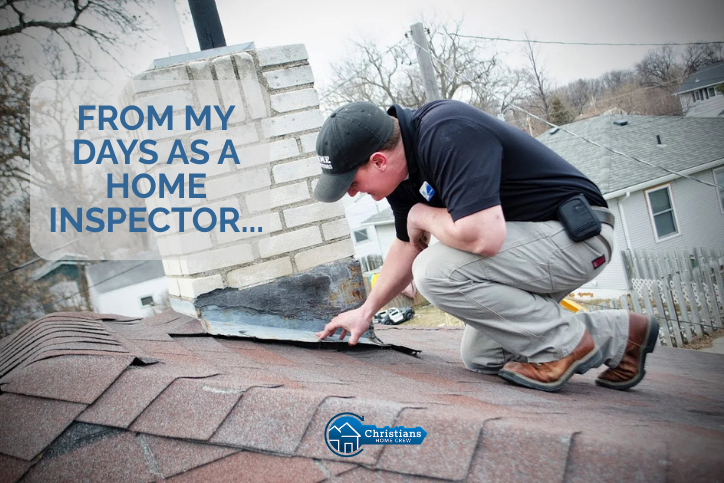
When we walk through your home before we list, I look at your roof, basement, mechanicals, and exterior with my former inspector brain turned on. We identify likely "frequent flyer" items early, then talk about what is worth addressing and what is normal for a home like yours. For detailed evaluations and repairs, we still lean on licensed pros.
Translating the report into plain English
When the buyer's report comes in, I do not just forward it and leave you guessing.
We walk through it together so you understand what it is really saying and how it compares to what I see day to day in Fargo-Moorhead. Once the report makes sense, it is much easier to stay calm and decide what to do.
Building a calm negotiation plan
After we understand the report, we build a simple plan that fits your budget and comfort level.
We look at what your contract allows, what the buyer is asking for, and which items you are willing to address, which might be better handled with a credit, and which are unrealistic for the age and price of your home.
The goal is not to win every point. The goal is to give the sale a fair chance of moving forward while protecting your interests as best we can. No outcome is guaranteed, but having a plan makes the process feel more manageable.
Next Steps If You Are An FM Seller Worried About Inspection
Three small steps you can take this week
If you are thinking about selling in the next year, you can start now by:
- Walking through your home with a notepad and listing obvious safety and maintenance items.
- Starting a simple list of known issues and past repairs, with dates if you remember them.
- Thinking about your ideal timeline to sell and move.
You do not have to fix everything at once. Small steps add up.
How to connect with Eric and Christians Home Crew
If you would like help thinking through inspection worries for your specific home, I am happy to talk.
We can schedule a seller consultation and an inspection prep walk-through where I bring both my real estate agent and former home inspector experience to your situation. We will talk through likely inspection items, smart prep, disclosure questions, and what a calm negotiation could look like for you.
Whether you are listing in the dead of winter or in the middle of a sunny Fargo summer, you do not have to face the inspection process alone.

And Remember…
No home is perfect. Not mine, not yours, not the one your buyers are moving out of.
What matters is honesty, preparation, and a clear plan for how to respond when the report shows up. When you have that, the inspection becomes one more step on the path to closing instead of the scariest part of the process.
If you are ready to talk about selling in Fargo, Moorhead, or West Fargo and want a guide who has seen inspections from both sides, let's connect.

Let's connect!
Reach out today by email
or by calling (701) 373-5155.
This article is for general information only. It is not legal, tax, or inspection advice, and it is not a substitute for hiring your own licensed professionals. I am not an attorney, and this is not legal advice. For legal questions about disclosure, it is important to talk with a licensed attorney in your state.