


Fargo-Moorhead Flood Zones: Spring Buyer Guide

Flood zones sound scarier than they usually are. Here is what the maps actually mean in Fargo-Moorhead, how to check a specific address, what insurance really costs, and what counts as normal water in a Red River Valley basement.
If the recent warm-up has you eyeing the puddles along the curb and checking your basement a little more often, welcome to the Fargo-Moorhead area.
Here, one day you're shoveling. The next day the snowbanks shrink, gutters start dripping, and you can finally see the sidewalk again. And then that familiar Red River Valley question comes:
"I wonder what the flood outlook is this year?"
If you are hoping to buy a home soon, that question might be getting louder. You start noticing phrases in listing notes like "buyer to verify floodplain." A friend mentions their lender requires flood insurance. Or maybe you have never lived near a river before and you are wondering whether it is even smart to buy here at all.
Water is something we respect in the Red River Valley, but it doesn't have to scare you out of buying a home you love.
What does a flood zone actually mean in Fargo-Moorhead?
A flood zone is an area that has been mapped with a certain chance of flooding in a given year. Being in one does not make a home a bad buy. It means you need two answers before you write an offer: whether your lender will require flood insurance, and what that coverage would cost you each month.
Those maps are created and maintained by the Federal Emergency Management Agency (FEMA), and a flood zone or floodplain is simply the label for a mapped level of risk. Fargo-Moorhead is no exception.
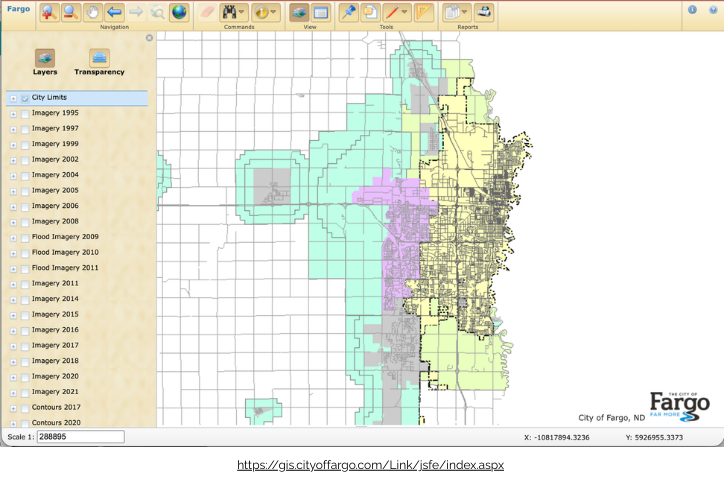
Some zones carry a higher estimated risk. Some carry a lower one. Many homes are outside of the higher-risk areas altogether.
Being near the river does not automatically make a home a bad idea. Over the years, Fargo, Moorhead, and nearby communities have invested in levees, dikes, and other protections. Some properties that were once considered higher risk have had their mapped risk changed because of those projects.
The three questions the maps are there to answer:
- Is this property in a mapped flood zone?
- If it is, does my lender expect flood insurance?
- How would that coverage affect my overall monthly housing cost?
Look it up yourself: the official FEMA flood map search tool and your city floodplain information page are good places to start.
How do I check if a specific home is in a flood zone?
Start with the full property address, look it up on FEMA's map service and your local city mapping tool, then confirm with your lender whether your loan would require coverage. Flood information is address-specific, so a neighborhood-level answer is not good enough.
That first step sounds obvious, but it matters. If it is a condo or townhome, make sure you have the unit number as well.
From there, I can help you pull up the official maps. We're not trying to memorize every letter and number on the screen. We simply want to know whether the property shows up inside a special flood hazard area, and whether the building itself is in that zone or just part of the surrounding parcel.
Once we have a sense of what the map is saying, we can have a simple conversation:
"For this address, based on the flood zone, will my loan require flood insurance?"
If the answer is yes or even "maybe," the next call we'll make is to an insurance professional for a realistic range on what coverage might cost for that type of home. Online estimates can be very rough, so a local agent confirming whether coverage is required or optional is worth the phone call.
You are allowed to ask these questions early. Many Fargo-Moorhead buyers check flood status as part of normal due diligence. It is not overreacting. It is being prepared.
Will I need flood insurance, and what does it cost?
Lenders generally require flood insurance when a home sits in a mapped high-risk zone. Outside those zones it is usually optional. Rules vary by lender and loan program, so the only reliable answer comes from your own lender and insurance agent for your specific address and loan.
Once people hear they might need flood insurance, the anxiety level can jump. But let's keep it grounded.
If coverage is required, it becomes part of your housing costs, similar to property taxes or regular homeowners insurance. A home that looks affordable at first glance can feel very different with a hefty insurance bill attached. On the flip side, some homes inside mapped zones have coverage that still fits comfortably within a buyer's budget.
Rather than assuming the worst, ask three focused questions:
- Is flood insurance required for this property with the loan I am using?
- If so, what would a realistic monthly or annual cost look like for me?
- If it is optional, does it still make sense to carry it, and why?
There is no one answer that fits every buyer. Your lender and insurance agent are the right people to put real numbers to these questions. My role is to make sure you know which questions to ask before you fall in love with a specific house.
Related read: Hidden costs of owning a home in Fargo-Moorhead
What counts as normal water in a Fargo-Moorhead basement?
A sump pump that cycles on and off during snowmelt is normal here, not a warning sign. Sump pumps and drain tile are part of how homes in the Red River Valley are designed. What deserves a closer look is standing water on the floor, persistent musty smells, or fresh patchwork in one corner of the foundation.
As a former home inspector, I have spent a lot of late winters and early springs in Fargo-Moorhead basements.

Spring thaw here does not arrive in a neat, one-week package. A warm spell melts the top layer of snow. A cooler night locks it up again. Then we repeat the cycle a few times before spring finally wins.
During those weeks, you will see water working its way through the system. It runs along curbs and into storm drains. It pools in low spots in yards. Gutters drip steadily on the sunny side of the house.
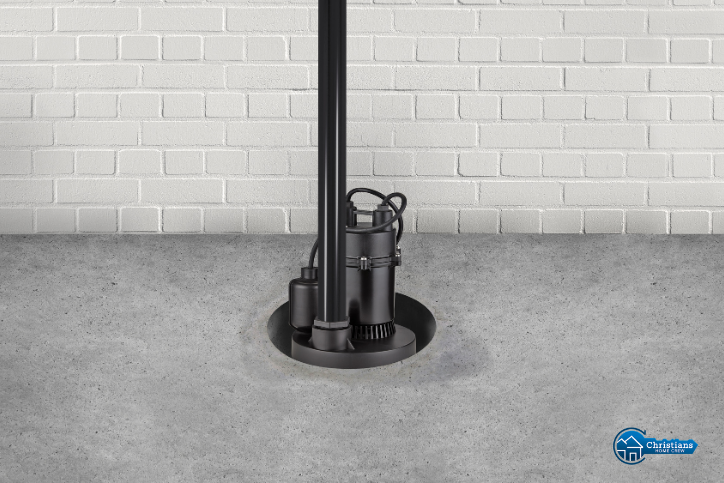
Normal often looks like a pump that runs when there is a lot of moisture in the ground, a pit with some water in it, and older concrete with light discoloration that has clearly been there for years and does not feel damp.
What makes me want more information:
- Standing water on the basement floor
- Strong musty smells that never seem to clear
- Fresh patchwork in one particular corner that does not match the rest of the foundation
- Staining or warping on trim or flooring that looks recent
None of those are automatic deal breakers, but they are signals to slow down and dig deeper.
What does Eric look at with buyers?
On a walk-through I look at how the lot sits relative to the street, where downspouts send water, whether the yard slopes toward or away from the foundation, and how the sump and drain tile appear to be performing. It is a former inspector's read on the property — not a substitute for hiring your own inspector.
Outside, I take a quick look at how the house sits compared to the street and nearby yards:
- Does the lot gently slope away from the foundation or toward it?
- Where do the downspouts send water when it comes off the roof?
- Are there obvious low spots that will collect water when the snow melts?
Many drainage issues can be improved with relatively simple changes. You just want to know what you are starting with before you close.
Inside, past the water question, the same habit applies to the rest of the house: the age and condition of the major systems, what is likely to need attention in the next few years, and what belongs on your list to investigate further. Alongside that, we talk through the numbers that actually determine your monthly cost — property taxes, any special assessments, and what flood coverage would add if it applies.
An important boundary: what I notice on a walk-through is a starting point for your questions, not a professional inspection. I always recommend hiring your own independent, licensed home inspector before you remove your inspection contingency, and confirming flood, insurance, and loan questions with your lender and insurance agent.
What should I check for water and drainage at a showing?
Four things: look up the address on a floodplain map and ask your lender about insurance, notice how the lot sits relative to the street, check that downspouts carry water away from the house, and spend a minute at the sump pit asking how often it runs.
Think of this as your pocket guide when you walk through homes this spring.
Check the maps and the money.
Make sure someone has looked up the address on a floodplain map and asked the lender whether your loan would require flood insurance there.
If the answer is yes, talk with an insurance professional about what that might realistically cost you.
Look at the yard and the street.
Notice whether the house sits higher, level, or lower than the surrounding area.
In a warm spell, where will the water naturally flow? Toward the street and storm drains is usually better than toward the back corner of the foundation.
Notice the roof and gutters.
Look to see if gutters and downspouts are in place, and whether downspouts send water several feet away from the house or dump it right next to the wall.
This is not fancy engineering. It is basic but important.
Spend a minute in the basement.
Find the sump pit and pump if there is one.
Ask how often it tends to run in a typical spring and whether there have been past water issues. Look for obvious signs of recent damage rather than tiny cosmetic imperfections.
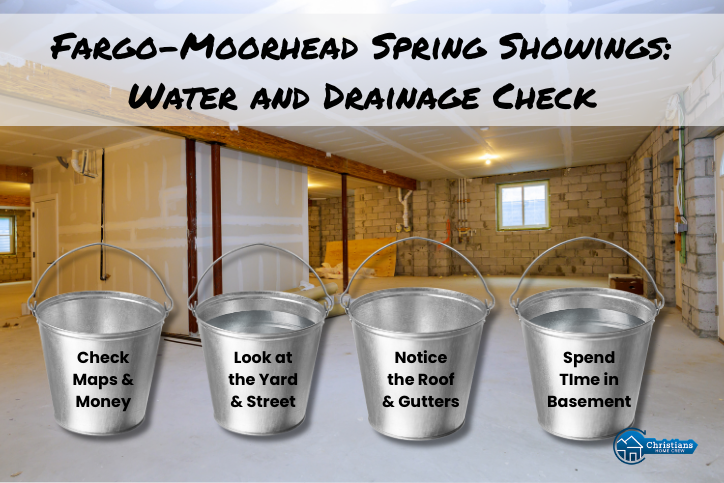
This checklist does not replace an inspection. It just gives you a quick way to pay attention to water and drainage before you get too attached to the paint color.
When should I dig deeper, and when should I walk away?
Dig deeper when the map results are confusing, the stories about past water issues conflict, or the insurance quote lands far above what you expected. Walk away when nobody can give you clear answers, the required coverage strains your budget, or multiple professionals point to significant ongoing risk.
Water questions are not a reason to panic. They are a reason to pause and gather good information.
When you decide to dig deeper, ask for written details about any past water events and repairs, talk with your inspector about what they are seeing, and schedule a follow-up conversation with your lender and insurance agent.
The goal is not to talk yourself into or out of the home.
The goal is to understand what you would be living with.
Walking away can be a healthy, confident decision. It's okay to say, "This one is not for us."
On the other hand, I have watched buyers talk themselves out of solid homes because of misunderstandings. They assume any house with a sump pump is a problem house. They see a blue area on a map and decide the entire neighborhood is off-limits without asking what has changed since the map was drawn. They read old headlines about flooding and never notice the newer stories about protections that are in place now.
You do not need to eliminate all risk. Every home and every area has some form of it. The real goal is to understand the water picture, compare it to your budget and comfort level, and choose the home that makes sense for you.
When a flooded basement showed up days before closing
One buyer's move turned into a scramble when water and hail damage surfaced late in the transaction. See how the insurance claim, repair options, buyer credit, and closing timeline were sorted out — and what it meant for the final deal.
Quick answers to common buyer questions
These answers are general and for informational purposes only. Your situation may be different, so always confirm with your own professionals.

You check the official maps using the full property address, then confirm with your lender. This is a normal part of buying in the FM area, especially for homes near rivers or lower spots in the valley.
No. Some river-adjacent areas have protections in place and a history of performing well through spring thaws, while others are more exposed.
The key is to look at the specific property, its zone, its protections, and what your lender, insurance agent, and inspector tell you.
Sometimes you do, sometimes you do not. Certain mapped zones come with a requirement for coverage when you borrow money to buy the home. In other zones, coverage is optional.
Your lender and insurance agent are the ones who can explain what applies to your loan.
In our area, no. It usually means the home was built with typical Red River Valley conditions in mind.
What matters is how that system is installed, maintained, and performing, not the fact that it exists.
Eric D. Christians, REALTOR®
A Navy veteran and former home inspector who now helps buyers and sellers in West Fargo, Horace, Fargo, and Moorhead. When you work with Christians Home Crew, you work with Eric — from the first conversation through closing, not passed between team members.
Important note: This article is for general information about buying in the Fargo-Moorhead area. It is not legal, financial, or insurance advice, and it is not a guarantee of future performance for any property. Floodplain designations, maps, and rules can change over time. Always consult your lender, insurance agent, and a qualified home inspector for guidance on a specific home.
Talk through a specific address with Eric
A no-pressure conversation for buyers, built around what actually determines your monthly cost and your comfort level with a property:
- Your priorities, budget, and real monthly cost
- Property taxes, special assessments, and flood considerations
- Age and condition of the major systems
- Offer strategy and what to investigate further
Or call (701) 373-5155
Eric's observations come from a former home inspector's perspective and do not replace an independent professional home inspection.